Can Musicians Tokenise Their Songs?
Tokenisation of Non-Bankable Assets: The Case of Music
In recent years, blockchain technology has introduced new ways of thinking about ownership, finance, and investment.
One of the most important developments is tokenisation, which is now being applied to industries that were previously ignored by traditional finance.
This raises an important question: Can musicians tokenise their songs?
The answer is yes but to fully understand how and why, we must first explore the concepts of tokenisation and non-bankable assets.
Understanding Tokenisation
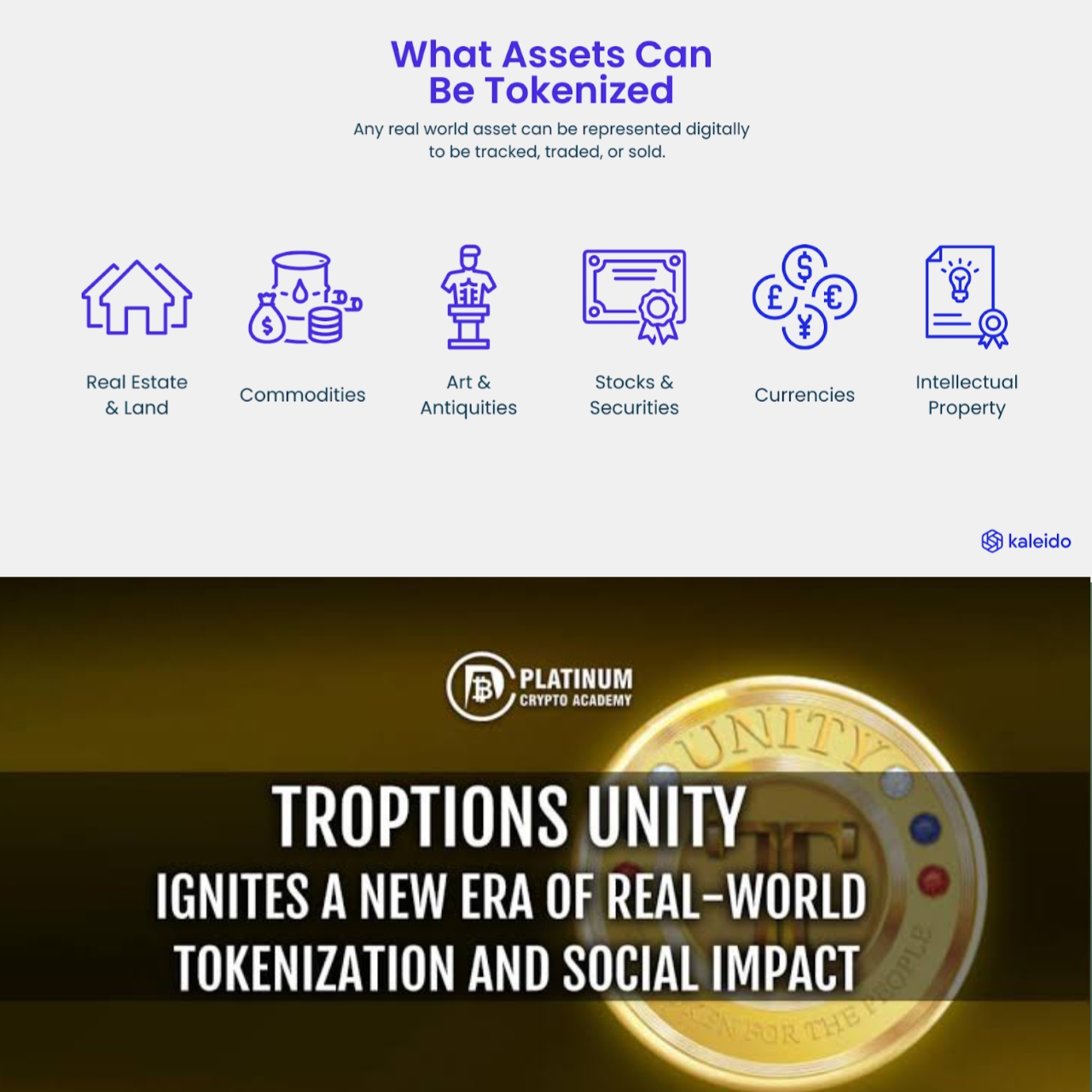
Tokenisation refers to the process of representing real-world or intangible assets on a blockchain in the form of digital tokens.
These tokens serve as proof of ownership or rights over an asset.
In simple terms, tokenisation converts ownership into small digital units that can be easily divided, tracked, and transferred.
This process introduces several important features:
- Fractional ownership – assets can be divided into smaller parts
- Transparency – ownership and transactions are recorded on a blockchain
- Liquidity – assets can be bought and sold more easily
Tokenisation, therefore, transforms how assets are accessed and exchanged in modern financial systems.
Listen to why Tokenisation of RWAs is becoming so irresistible
What Are Non-Bankable Assets?
Non-bankable assets are assets that traditional financial institutions, such as banks, are unable or unwilling to finance or accept as collateral.
This usually happens because:
- Their value is difficult to measure
- Their income is unpredictable
- Ownership structures are unclear
Music is a strong example of such an asset.
Why Music Has Traditionally Been Non-Bankable
For many years, banks have avoided music as a financial asset for several reasons.
First, music income is highly unpredictable. Revenue from streaming, royalties, and licensing depends on public interest, trends, and audience engagement.
This makes it difficult to estimate future earnings.
Second, ownership structures in music are complex. A single song may involve multiple stakeholders, including artists, producers, record labels, and publishers. Determining exact ownership shares is often challenging.
Third, the industry has historically lacked transparency. There have been frequent issues with delayed or inaccurate royalty payments, reducing trust in the system.
Fourth, music is illiquid. Traditionally, it is not possible to sell a small portion of a song. For example, an artist cannot easily sell 10% of a song to an investor.
Even major artists have faced these challenges. Kanye West has publicly spoken about fighting for ownership of his master recordings, while Taylor Swift re-recorded her catalogue due to ownership disputes.
These examples show that even top-level musicians struggle with control and financial structuring.
All these factors explain why music has long been considered a non-bankable asset.

Can Musicians Tokenise Their Songs?
Yes, musicians can tokenise their songs.
Tokenisation allows artists to convert their music rights into digital tokens on a blockchain.
These tokens can represent ownership or a share of future income generated by the music.
Through this process:
- A song can be divided into smaller ownership units
- These units can be sold to fans or investors
- Buyers can earn a share of royalties generated by the song
This transforms music into a more structured and accessible financial asset.
I did a podcast episode on how to stay patient while investing in crypto
Music Tokenisation in Practice
Music tokenisation is already happening through real-world platforms.
One example is Audius, which allows artists to distribute music directly to listeners without relying on traditional intermediaries.
Another example is Royal, founded by 3LAU. This platform enables artists to sell shares of their music royalties as digital tokens.
On such platforms:
- Artists divide music rights into tokens
- Fans and investors purchase these tokens
- Token holders receive a share of income from streaming and licensing
This creates a new model where fans are not just consumers, but also participants in the financial success of the music.
Key Benefits of Tokenisation for Music
Tokenisation introduces several important advantages:
1. Fractional Ownership
Artists can sell portions of their music rights, making investment more accessible.
2. Transparency
Blockchain technology records all transactions, improving trust and accountability.
3. Automated Payments
Smart contracts automatically distribute royalties, reducing delays and errors.
4. Reduced Intermediaries
Artists can connect directly with their audience without relying heavily on record labels or distributors.
5. Improved Liquidity
Music rights can be traded more easily compared to traditional systems.
Challenges and Limitations
Despite its potential, music tokenisation still faces several challenges.
Regulatory Uncertainty
Governments are still developing rules for tokenised assets, especially when they resemble financial securities.
Valuation Difficulties
It remains difficult to predict the future success of a song, making pricing uncertain.
Liquidity Risks
Tokens can only be traded if there is demand in the market.
Speculation and Hype
Some investors may buy tokens for short-term profit rather than long-term value.
Legal and Copyright Issues
Music rights are complex, and tokenisation does not automatically resolve ownership disputes or legal enforcement challenges.
Why Tokenisation Matters to Musicians
Tokenisation is especially important because it empowers artists.
It opens up investment in the creative industry and provides new funding opportunities, particularly for independent musicians.
It also unlocks the hidden value in intangible assets like music rights. This is highly relevant in regions such as Africa, where many artists lack access to traditional financial systems.
Through tokenisation:
- Artists gain more control over their work
- They can reach global investors
- They reduce dependence on traditional gatekeepers
A Critical Insight: Tokenisation Does Not Create Value
It is important to understand a key point:
Tokenisation does not make an asset valuable it makes it investable.
In other words:
- It improves access and structure
- It enhances how assets are traded and managed
- But it does not change the underlying quality or demand of the music
If a song has low demand, tokenising it will not increase its value. The success of tokenised music still depends on audience interest and artistic quality.
Conclusion
So, can musicians tokenise their songs?
Yes—and it is already happening.
Tokenisation is transforming music from a non-bankable and illiquid asset into a more structured and accessible financial instrument. It enables fractional ownership, improves transparency, and introduces new ways for artists to earn and connect with their audience.
However, its long-term success depends on regulatory clarity, market adoption, and trust in the underlying assets.
Ultimately, tokenisation is not a magic solution but it is a powerful tool that is reshaping the financial future of the music industry.